1. Why Study in China?
China has become a premier destination for international students, combining high-quality education, exceptional affordability, and strong career potential. For students aiming to build a competitive future, it is a highly strategic and practical academic choice.
A major advantage is access to globally ranked powerhouses like Tsinghua and Peking University. Chinese universities lead in fields like Engineering, Medicine (MBBS), Business, and Technology, supporting their modern curricula with cutting-edge laboratories and advanced research facilities.
Compared to Western nations like the US or UK, tuition and living costs are significantly lower. This makes a world-class degree accessible to budget-conscious families. Additionally, students have massive financial support options through the fully funded Chinese Government Scholarship (CSC), alongside provincial and university grants that cover tuition, housing, and stipends.
To accommodate global demographics, universities offer a vast selection of English-taught programs. This allows students to progress comfortably in their majors while simultaneously mastering Mandarin—one of the most economically valuable languages in the global job market today.
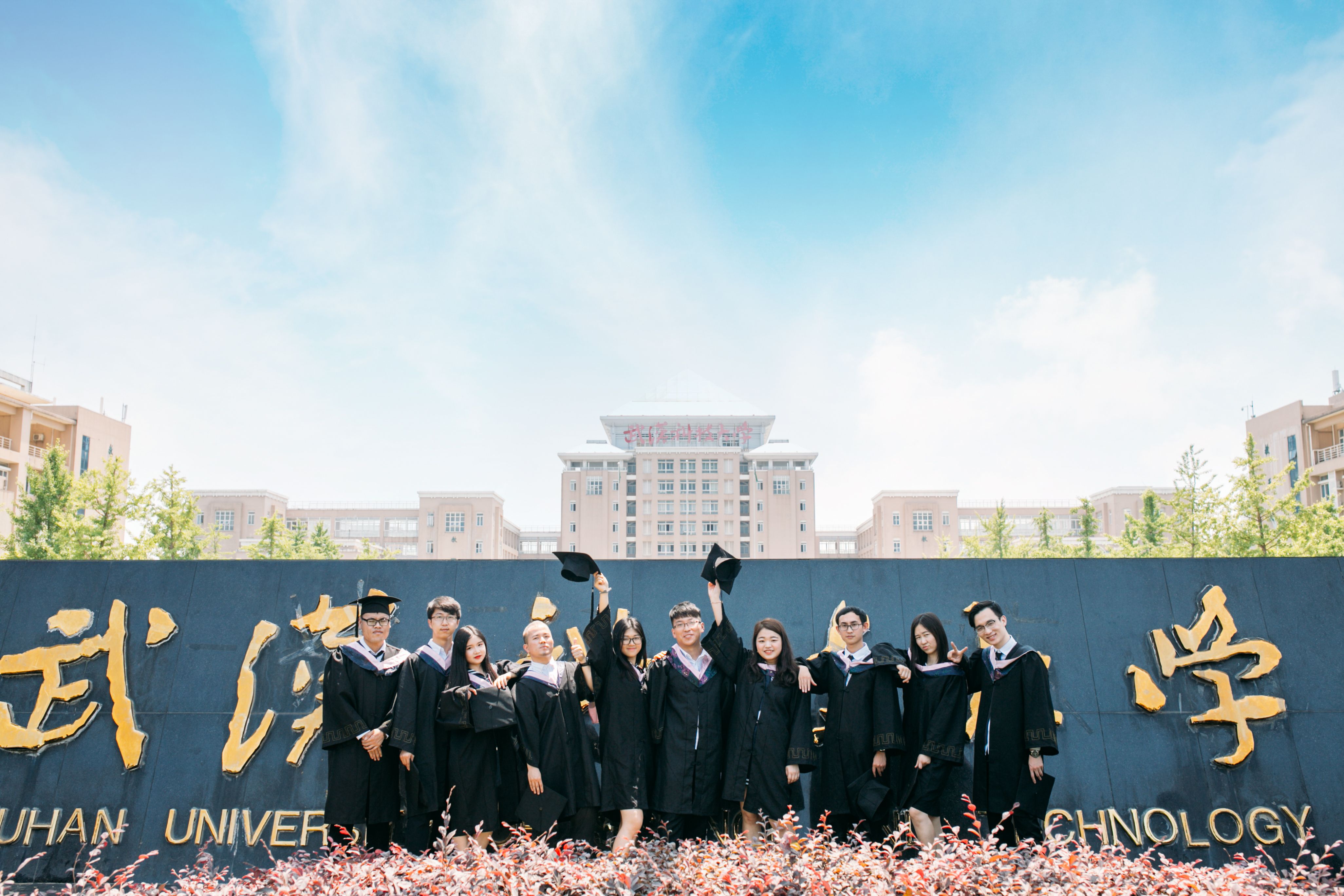
Studying here also yields a vibrant multicultural experience, hosting students from over 100 countries. As the world’s second-largest economy and a hub for industrial innovation, China pairs this academic diversity with direct links to global supply chains and multinational networks, ensuring graduates leave with a future-proof career edge.
Ready to Study in China
Contact Us before all the Scholarships are filled
2. Where and What to Study in China
Choosing the right destination and program in China depends heavily on your budget, career path, and lifestyle preferences. With thousands of higher education institutions spanning diverse regions, international students can strategically align their educational hub with their personal and professional goals.
📍 Where to Study: City Tiers & Lifestyle
China’s major student destinations are generally classified by tiers, presenting distinct lifestyle and financial profiles. Tier 1 megacities like Beijing and Shanghai serve as global political, cultural, and financial epicenters. They host top-tier institutions, offering rich multicultural networking and direct access to multinational corporations, though they require a higher living budget (typically CNY 3,000–5,500/month). Meanwhile, southern gateways like Guangzhou balance global trade prominence with slightly lower expenses.
For budget-conscious students seeking high-quality academia, Tier 2 student giants like Wuhan and Nanjing offer an exceptional alternative. Cities like Wuhan host immense student populations and top-tier STEM facilities at a fraction of the cost, making comfortable living highly achievable on a modest budget of CNY 2,000–3,000/month.
🎓 What to Study: Programs & Global Standards
International students gravitate toward fields where China holds massive global leverage. Engineering, Computer Science, and Artificial Intelligence programs benefit from proximity to China's booming tech ecosystems. For medical aspirants, the English-Medium MBBS program remains highly sought after. The Chinese Ministry of Education (MOE) maintains a strict, officially approved list of 43 universities authorized to offer full English-medium MBBS degrees, ensuring high standards that align with international guidelines like the World Health Organization (WHO) and global medical councils.
When evaluating your major, selecting the language medium is vital. Fully English-taught programs provide a smooth academic transition, allowing you to focus directly on complex technical subjects. However, combining these studies with practical Mandarin or opting for bilingual streams yields an incredible career edge, allowing you to match your subject with long-term global trade, tech innovation, or consulting goals.

3. Cost & Scholarships in China
Financing your education in China is highly manageable compared to Western destinations. By understanding the typical fee ranges and strategically tapping into an extensive network of national, provincial, and institutional scholarships, international students can easily map out an affordable budget plan.
💰 Tuition Fees & City-Wise Living Costs
• Tuition Fees:
–BDT 3,00,000 to BDT 6,00,000 per year (approximate) per year (standard programs)
–BDT 4,50,000 to BDT 9,00,000 per year (approximate) per year (Engineering, CSE, MBBS)
• Living Costs:
– BDT 90,000 to BDT 1,25,000 (approximate) per month (Beijing, Shanghai)
– BDT 52,000 to BDT 75,000 (approximate) per month (Wuhan, Nanjing, Xi’an)
🎓 Types of Scholarships & Coverage
China offers some of the most generous financial aid options globally, divided into three major categories:
- Chinese Government Scholarship (CSC): The premier national fund. A full CSC scholarship (Type A or Type B) provides complete coverage: 100% tuition waiver, free university dormitory housing, comprehensive medical insurance, and a monthly cash stipend. This monthly allowance distributes CNY 2,500 for undergraduates, CNY 3,000 for Master's students, and CNY 3,500 for PhD candidates.
- Provincial Scholarships: Offered by regional governments (like the Jasmine Jiangsu or Shanghai Government Scholarships) to attract talent to specific areas. These frequently mimic CSC perks or offer fixed annual grants ranging from CNY 10,000 to CNY 30,000.
- University Scholarships: Administered directly by individual institutions (such as Tsinghua or Zhejiang University rewards) to top-performing applicants. They range from full rides to partial tuition waivers based entirely on your academic merit.
4. Student Life in China
Chinese university campuses are like modern mini-cities. You will find everything you need within a short walk. Life here is safe, easy, and highly advanced.
🏫 Campus Facilities & Cultural Diversity
Universities offer top-class libraries, sports centers, and smart classrooms. International dorms are highly secure and come with AC and fast Wi-Fi. You will also easily make friends with students from all over the world.
🍱 Food, Lifestyle & Safety
Campus food is delicious, includes halal options, and is very cheap. A full meal costs only CNY 10 to CNY 25 (approximate).
China is also one of the safest countries in the world. With 24/7 campus security and street cameras, you can walk outside safely even late at night.
🚌 Advanced Transportation & Digital Ecosystem
Public travel is cheap and super fast. You can easily use modern subways, bullet trains, or cheap shared bicycles by just using your phone.
Life in China is completely cashless. Nobody uses physical wallets; everyone pays for things using mobile apps.
You will need these super-apps when you arrive:
- Alipay & WeChat Pay: Connect your bank card to pay for anything, anywhere by scanning a QR code.
- Meituan & Taobao: Use these for cheap online shopping, buying groceries, and getting fast food delivery to your campus.

5. Challenges (Realistic View)
While studying in China offers strong academic and career advantages, international students must prepare for several real-world challenges. Understanding these early helps you adapt faster and avoid unnecessary stress during your journey.
🌏 Language Barrier
Even though thousands of programs are offered in English, daily life outside campus—shopping, transportation, hospitals—often requires basic Mandarin. Students who ignore this struggle more in communication and independence.
🏮 Cultural Differences
China has a unique social and academic culture. Classroom discipline, teacher-student interaction, and social norms may feel very different from Bangladesh or other countries. Adapting to local customs takes time but becomes easier with exposure.
📚 Academic Pressure
Top universities—especially in engineering, medicine, and technology—maintain strict academic standards. Many programs now apply the same expectations to international students as local students, requiring consistent performance, attendance, and exam success.
🍜 Food Adjustment
Chinese cuisine is diverse but very different in taste and ingredients. Halal or familiar South Asian food may not always be easily available, especially in smaller cities, so students often learn basic cooking.
🏠 Homesickness
Being far from family, especially in the first year, can be emotionally challenging. However, large international student communities and improved connectivity (WeChat, video calls) help students adjust over time.
6. Myths vs Reality (VERY IMPORTANT SECTION)
Many students hesitate to choose China due to misinformation. Let’s break down the most common myths using verified facts from official education bodies and 2026 data.
❌ Common Myths
- China is unsafe for international students
- Degrees from China are not valuable
- Language makes studying impossible
- No career opportunities after graduation
- Poor education quality
✅ Reality
- China is widely considered one of the safest countries for students, with strict law enforcement and secure campuses.
- Many universities are globally ranked and internationally recognized, with degrees accepted worldwide.
- Thousands of programs are taught fully in English, including engineering, business, and medicine.
- China is a global leader in technology, manufacturing, and trade—creating real industry exposure.
- For example, the Ministry of Education strictly controls programs like MBBS, allowing only 45 approved universities to offer English-medium degrees, ensuring global standards. :contentReference[oaicite:0]{index=0}
The reality is clear: success in China depends more on choosing the right university and program than on the country itself.
7. Career Opportunities After Studying in China
- If you study advanced subjects like engineering, IT, AI, or business, you can find high-paying, professional jobs right inside China.
- Thanks to the China K Visa, foreign students who graduate in science and tech (STEM) can easily live, work, or start their own businesses in China without needing a company to sponsor them.
- Global companies love hiring graduates who speak Mandarin or understand China, because these workers can easily connect international businesses with Chinese factories and technology.
- China and Bangladesh are working closer together than ever before on massive projects like building roads, making clothes, and developing green energy. This creates a huge demand in the Bangladesh job market for people who know both cultures.
- When Bangladeshi students return home, they can use their language skills and Chinese factory contacts to start highly profitable businesses in online shopping (e-commerce) and international trade.

Ready to Study Abroad?
Fill out the form and our expert study abroad consultants will contact you within 24 hours to guide you through the university admission and student visa process — completely free.
- Free Career Counseling
- University Selection & Admission
- Student Visa Processing Assistance
- Scholarship Application Support